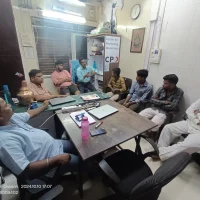
DEMOCRACY TO THE LAST MILE
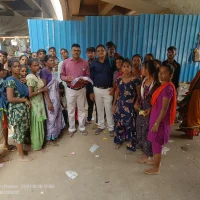
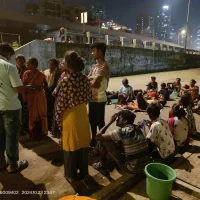
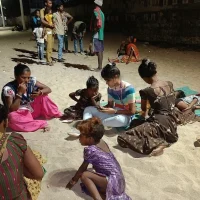
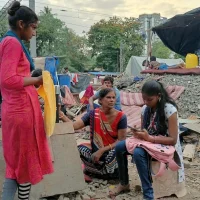
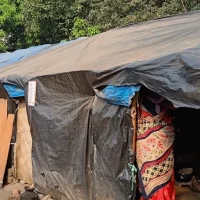
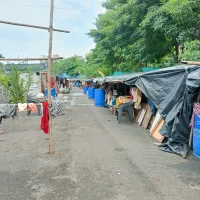
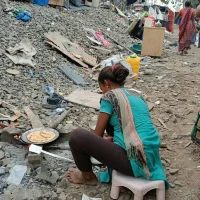
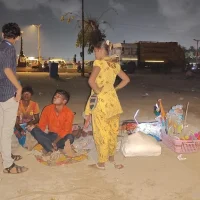
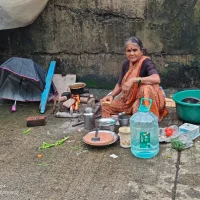
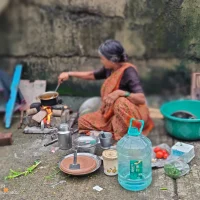
CPD engages extensively with those living without permanent shelter in Mumbai, many of whom belong to the Pardhi community (categorised as nomadic/denotified tribes) and other socially marginalised groups. They often migrate to the city under duress, distressed by droughts, and escaping caste-based exploitation and poverty. Despite offering essential labour for cleaning sewers, building roads, clearing garbage, and selling goods at traffic signals, they struggle for basic dignity and security.
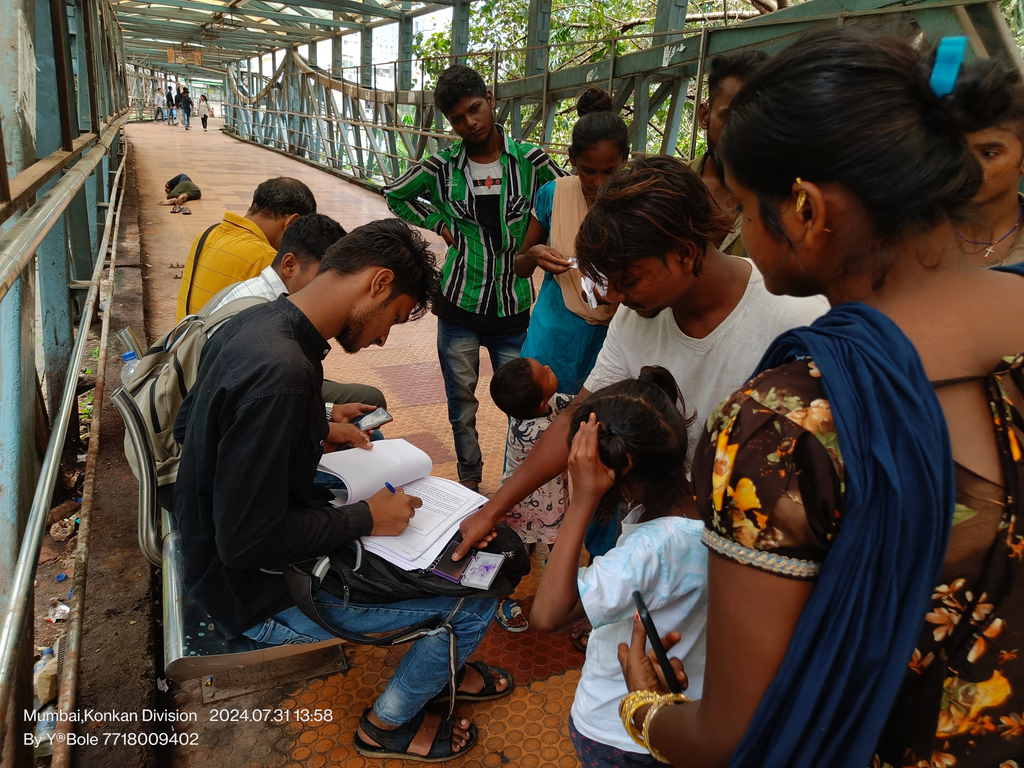
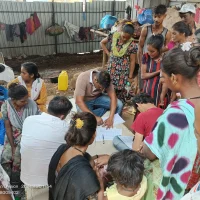
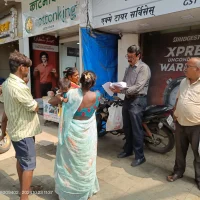
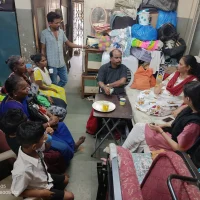
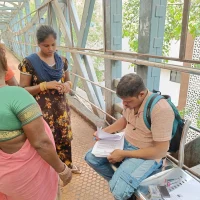
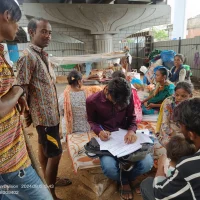
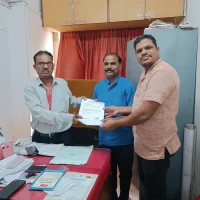
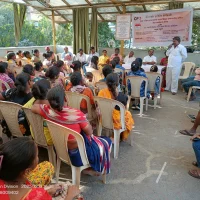
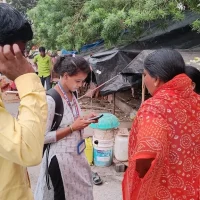
CPD has worked to facilitate entitlements for them, registering 300+ people as voters. This has enabled them to be political stakeholders whose issues are considered by election candidates. We are taking this initiative further by advocating for access to basic services for these communities, such as housing, water, sanitation, food security, electricity, healthcare, and education.
Documenting issues of homeless communities in Mumbai
As homeless peoples are undocumented, and not considered participants in urban governance, they are subjected to repeated evictions and are portrayed as mentally infirm, thieves and suffering addiction.
Video documentation by CPD of the illegal evictions of homeless communities in Mumbai during the COVID-19 pandemic and lockdown:
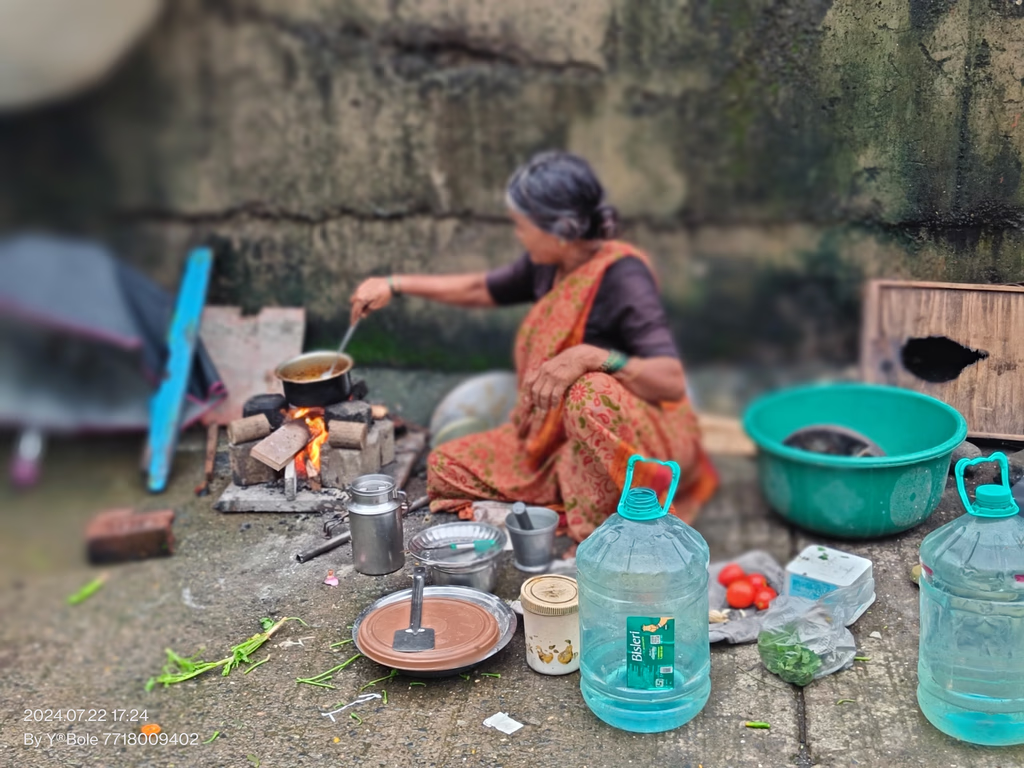
Facilitating entitlements for homeless communities